Mirrors and cavities Guide quantum computers To reality
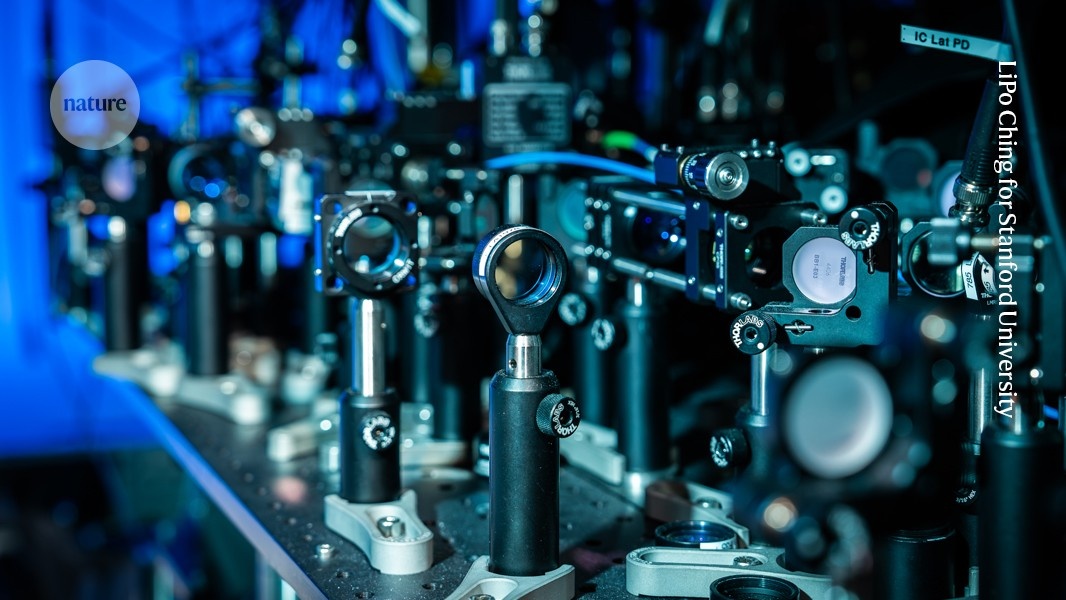
Researchers have taken a step forward by using mirrors, lenses, and other optical instruments to direct photons collected from optical cavities.
 Reprodução
Researchers have taken a step forward by using mirrors, lenses, and other optical instruments to direct photons collected from optical cavities. This technique has been previously used in leading approaches for quantum computing, and the new study suggests it could be scaled to encompass thousands of atoms in the future.
“This innovative method takes us closer to practical quantum computers,” said Dr. Alice Shaw, lead author of the study. “Our research shows that it’s possible to scale up the technique even further, bringing us one step closer to realizing a larger quantum computer.”
The new findings are significant for the field of quantum computing. The study, led by researchers from Stanford University, indicates that optical techniques could be a viable and scalable approach to enhance the capabilities of quantum computers.
As quantum computing rapidly evolves, understanding and refining techniques like these will be crucial for its practical implementation. While the study is promising, the path to large-scale, practical quantum computers is not without challenges, including the need to control and manipulate qubits to ensure stability and effectiveness.
Por que isso importa?
Contexto Rápido
- Um estudo recente em Nature destacou a importância de mirrors e câmaras de cavidade na construção de computadores quânticos
- A abordagem usada no estudo usa átomos neutrais para criar qubits
- Estudos como este têm o potencial de avançar a escalabilidade de computadores quânticos existentes
Comentários (0)
Seja o primeiro a comentar.
Os comentários são de responsabilidade exclusiva de seus autores.